
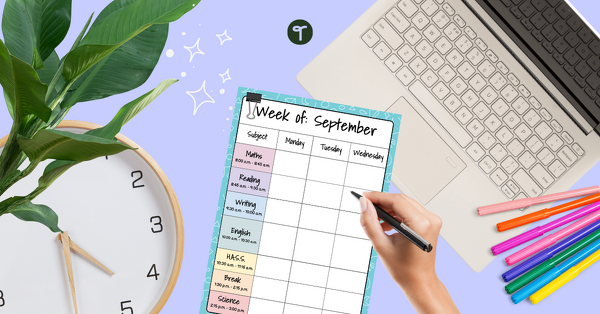
Making sure your lessons are aligned with the Australian Curriculum can feel like a huge puzzle. You want to give your students fun activities and clear tests, all while knowing you’ve ticked every box the state education department requires. The good news is that you don’t have to spend every night at your desk to get this right. By picking up a few smart habits, you can cut down your planning time and still do a great job.
Here are ten simple ways to make the curriculum work for you.
- Start with the Big Picture
Before you even think about specific activities, take a quick look at the “achievement standards” for your year level. These tell you exactly what students should know by the end of the year. If you keep these goals in mind from the start, your lessons will naturally lead where they need to go. This stops you from having to go back and fix things later.
- Use the Codes
Every part of the curriculum has a specific code. A great tip is to put these codes right into your planning sheets. It keeps you organised and makes reporting to parents, supervisors or head of department much faster. You’ll find that many teacher resources in Australia already have these codes listed for you, so you don’t have to look them up yourself.
- Plan a Whole Unit at Once
Instead of planning one lesson at a time, try mapping out a whole month or term. This lets you see how one skill leads to the next. It also stops you from repeating yourself and helps you see where lessons need to go to lead to the final assessment. When you use high-quality teaching resources in Australia, you often get unit outlines that have already done this for you.
- Don’t Throw Away Old Work
You don’t need a brand-new idea for every single class. Look at what worked well in previous years and just give it a quick refresh. Making small edits to an old plan is much faster than starting from a blank page. Eventually, you will have a collection of the best teacher resources that are perfectly suited to your specific teaching style.
- Think About the Test First
Decide how you will check what students have learned before you plan the fun activities. When you know what the final assessment looks like, your daily lessons become much more focused. You won’t waste time on “filler” tasks that don’t actually help students reach their goals.
- Pick a Few Trusted Sites
It’s easy to get overwhelmed by downloading hundreds of different worksheets. Instead, find two or three teacher resource sites that you really trust. Look for sites that focus on the Australian Curriculum. Staying consistent with your sources means you’ll spend less time checking if the work is actually good and more time getting ready to teach.
- Make Helping Everyone a Habit
The curriculum asks us to help students who learn in different ways. Make this a standard part of your plan. In your template, always include a spot for an “extra challenge” and a spot for “extra help.” If you do this every time, it stops feeling like an extra chore and just becomes part of how you work.
- Use Better Tools
There are lots of digital planners and shared drives that can save you from typing the same thing over and over. Many teacher resources websites give you files you can actually edit. This means you can change a few words to fit your class without having to reformat the entire document.
- Chat with Your Team
You aren’t in this alone. Talk to the other teachers in your year level or subject area. You can split the research or share your best unit plans. A quick ten-minute coffee chat can often save you three hours of solo planning at home. Sharing the load makes everyone’s life easier.
- Take Quick Notes
After you finish a unit, write down a few quick thoughts. Did the timing work? Did the kids enjoy it? Keep it simple, just a few bullet points. Next year, those notes will be a lifesaver. It helps you get better every term without having to remember every tiny detail.
Final Thoughts
Getting your lessons aligned doesn’t have to be a headache. By setting clear goals, using good templates, and being selective with your materials, you can find a rhythm that works. Using the right teacher resources in Australia means you can stop worrying about the paperwork and start focusing on your students. When your systems are solid, the job feels a lot lighter.



More Stories
Unlocking Your Academic Potential: Unexpected Strategies for Lasting Success
The Future of Learning: How Education is Transforming in the Digital Age
Unlocking the Hidden Patterns of Academic Success: How to Study Smarter, Not Harder