
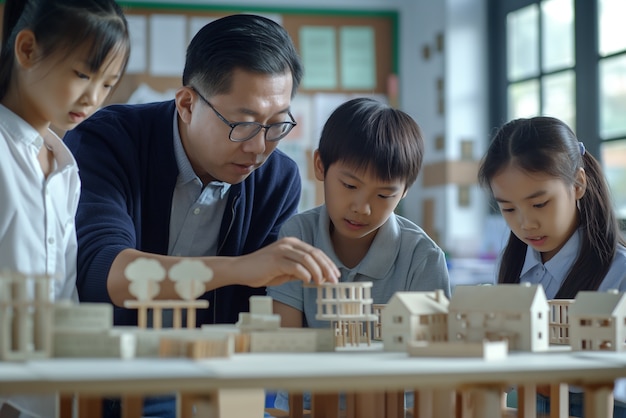
As we navigate an increasingly complex and fast-paced world, the landscape of education is evolving to meet the demands of the future. The skills required to thrive are shifting, and it’s crucial to understand what will be essential for success in the coming years. Here’s a look at the future skills essentials and how they will shape education.
1. Critical Thinking and Problem-Solving
In an era marked by rapid technological advancements and complex global challenges, critical thinking and problem-solving have become indispensable. These skills enable individuals to analyze information effectively, make informed decisions, and tackle problems creatively.
Educational systems are increasingly emphasizing future-focused learning strategies that foster these abilities. By engaging students in activities that require deep analysis and innovative solutions, educators are preparing them for the intricate issues they will face in their careers and daily lives.
2. Digital Literacy and Technological Proficiency
As technology continues to permeate every aspect of our lives, digital literacy is no longer a luxury but a necessity. Proficiency with digital tools, platforms, and emerging technologies is crucial for future success.
Education must-haves now include a solid understanding of how to use and adapt to new technologies. From coding and data analysis to navigating digital communication platforms, students need to develop a robust digital skill set to stay competitive in the job market.
3. Adaptability and Flexibility
The ability to adapt to change and remain flexible is a key skill for navigating the uncertainties of the future. The rapid pace of technological innovation and shifting global dynamics mean that careers and industries will continue to evolve.
Educational programs are increasingly incorporating future-focused learning elements that teach students how to embrace change and stay agile. This includes developing a growth mindset, resilience, and the ability to pivot when faced with new challenges.
4. Collaboration and Teamwork
In a globalized world where projects often involve diverse teams from different backgrounds, collaboration and teamwork are critical. Working effectively with others, both in-person and virtually, is a skill that enhances productivity and fosters innovation.
Key skills for tomorrow include the ability to communicate clearly, share responsibilities, and leverage the strengths of team members. Educational systems are fostering these skills through group projects, team-based activities, and collaborative problem-solving exercises.
5. Creativity and Innovation
The ability to think creatively and drive innovation is increasingly valuable in the modern workforce. As automation and artificial intelligence take on routine tasks, the human capacity for creative thinking becomes a significant differentiator.
Educational institutions are focusing on nurturing creative education strategies by incorporating design thinking, creative problem-solving, and project-based learning. Encouraging students to explore new ideas and develop novel solutions prepares them for roles that require innovation and originality.
6. Emotional Intelligence and Interpersonal Skills
Emotional intelligence (EQ) and interpersonal skills are essential for building strong relationships and navigating the social complexities of the workplace. Skills such as empathy, effective communication, and emotional regulation are critical for personal and professional success.
Future skills essentials include training students in emotional intelligence through activities that promote self-awareness, empathy, and effective communication. By fostering these skills, educators help students build the social competencies needed for leadership and teamwork.
7. Global and Cultural Awareness
In a connected world, understanding and appreciating diverse cultures and global perspectives are crucial. Education must-haves now include global and cultural awareness to navigate international environments and collaborate with people from different backgrounds.
Curricula are being designed to include global issues, cultural studies, and international perspectives. This helps students develop a broader understanding of the world and prepares them for global citizenship and international careers.
8. Self-Directed Learning and Personal Management
The ability to manage one’s own learning and development is increasingly important in a world where continuous learning is essential. Self-directed learning involves setting personal goals, seeking out resources, and managing one’s time effectively.
Educational programs are emphasizing the importance of self-directed learning by encouraging students to take ownership of their educational journeys. This includes developing skills for independent research, self-assessment, and lifelong learning.
9. Entrepreneurial Thinking
Entrepreneurial thinking involves not only starting businesses but also applying entrepreneurial principles to problem-solving and innovation. It includes creativity, risk-taking, and a proactive approach to identifying opportunities.
Key skills for tomorrow involve incorporating entrepreneurial thinking into the curriculum. This approach helps students develop a mindset that embraces innovation, takes initiative, and seeks out new opportunities.
10. Sustainability and Environmental Awareness
As global challenges such as climate change and resource depletion become more pressing, sustainability and environmental awareness are becoming essential skills. Understanding the impact of human activities on the environment and finding ways to contribute to sustainable practices is increasingly important.
Educational institutions are integrating environmental education and sustainability practices into their programs. This helps students understand the importance of ecological stewardship and prepares them to contribute to a more sustainable future.
In summary, the future skills essentials outlined here are not just buzzwords but critical components of a successful education in the 21st century. By focusing on these education must-haves, students will be better equipped to navigate the complexities of the modern world and seize opportunities for growth and success.



More Stories
Unlocking Your Academic Potential: Unexpected Strategies for Lasting Success
The Future of Learning: How Education is Transforming in the Digital Age
Unlocking the Hidden Patterns of Academic Success: How to Study Smarter, Not Harder